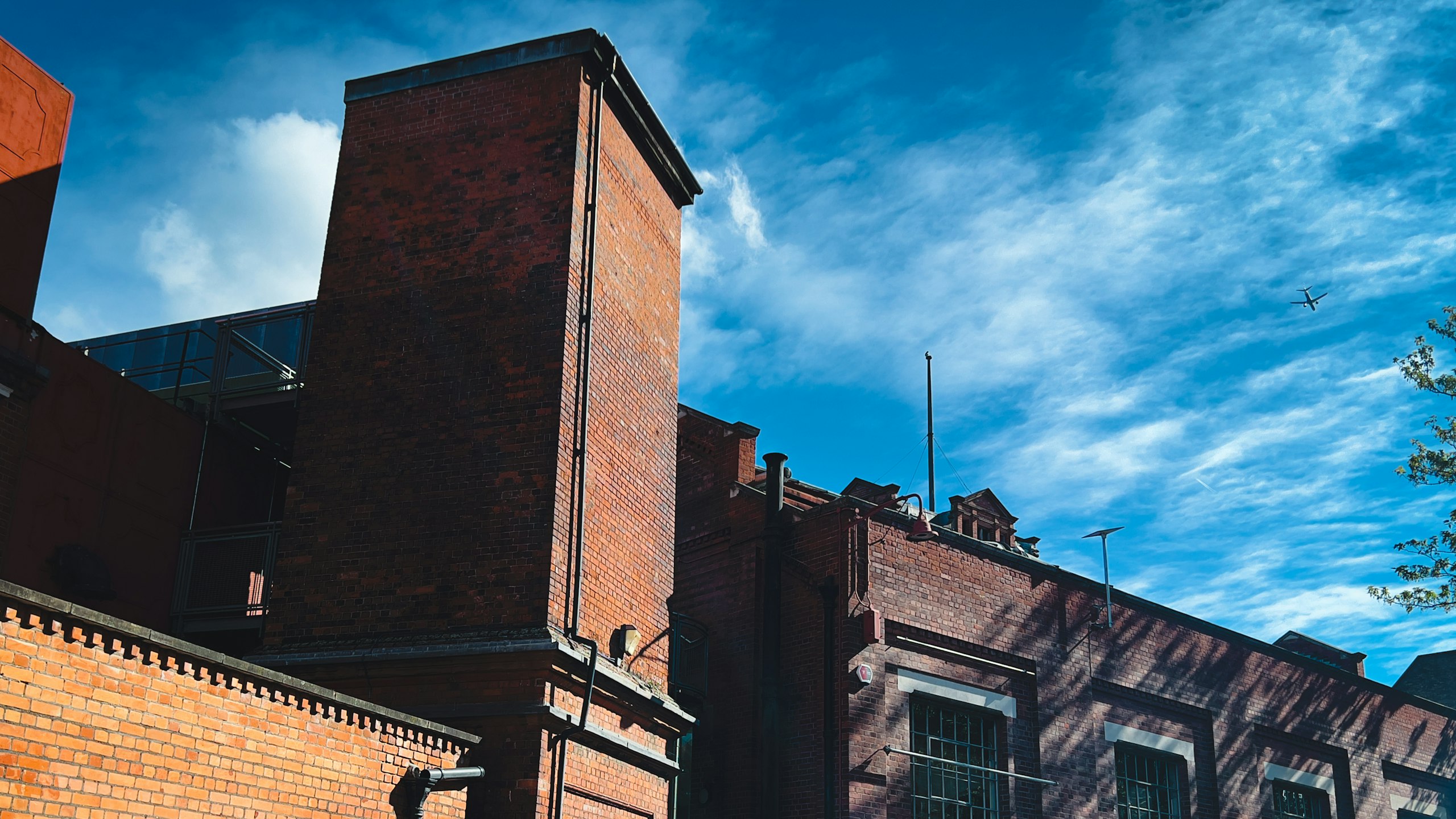
• Exterior image: Red-brick industrial buildings and a tall brick tower beneath a bright blue sky, with a plane passing overhead.
    Wapping Hydraulic Power Station, Photo Credit: Duncan Ja Dick.
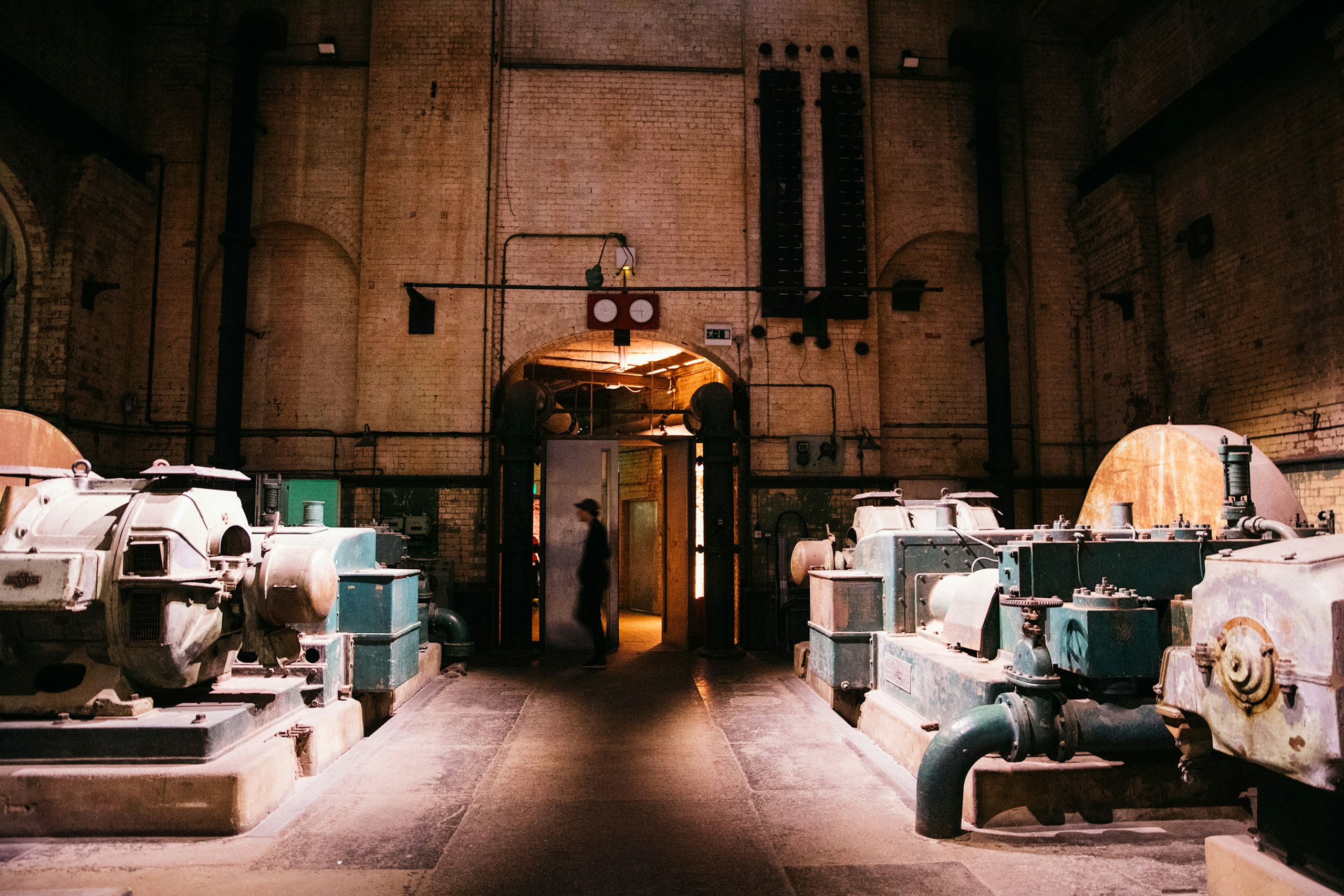
  • Interior image: A figure walks through a lit doorway at the end of a dim brick hall lined with old teal pumping machinery.
    Feeling Is Structure, 2026, Max Cooper, London Design Festival. Photo credit: Iona Wolff.

Venue Hire

Wapping Powerhouse provides an extraordinary environment and unforgettable backdrop for a range of commercial and private uses including photo and film shoots, launch and promotional events, and dinners.

For a Venue Hire brochure and enquiries, please email events@gc.foundation

Plan your visit

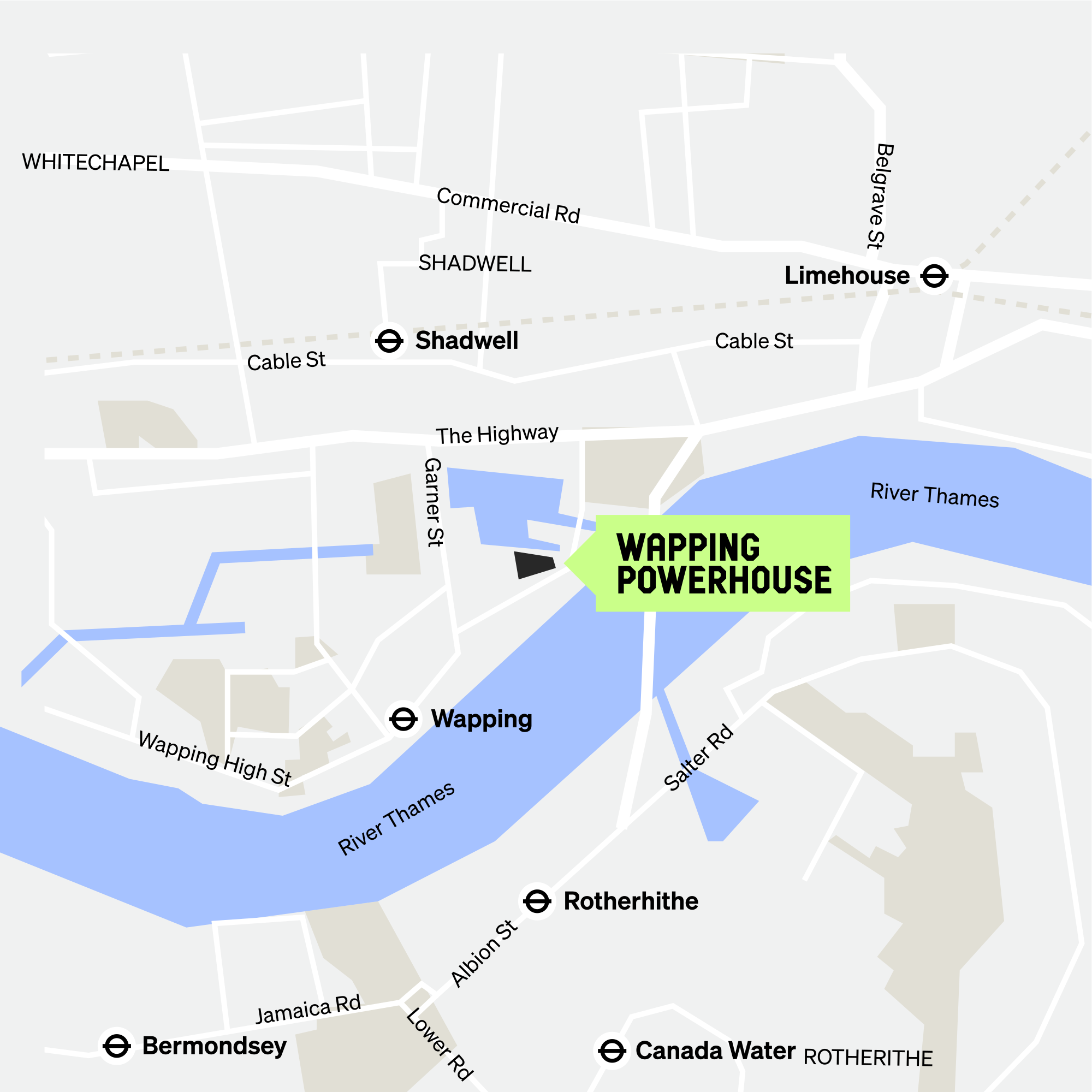
Via public transport

DLR

Shadwell0.6 miles

Tube

Wapping (Windrush Line)0.3 miles
Shadwell (Windrush Line)0.6 miles

Bus

Route D3

Accessibility

Wapping Powerhouse is a historic Grade II* listed building with level changes across the site. The outdoor spaces leading to the building from the street have historic and uneven paved cobbled stone surfaces. 

Ramps are in place to allow step-free access into the buildings and all venue locations from the outdoor spaces, but step-free access is limited in some places.

There is a gender neutral accessible toilet in the Filter House and another off the Engine House. Single sex toilets are available in the Basement.

History

Wapping Powerhouse occupies the Wapping Hydraulic Power Station site, which opened in 1890 as one of five hydraulic power stations around London. These powered homes, bridges and venues through a network of 186 miles of underground iron piping spanning from Hyde Park to Docklands. Originally intended as a cleaner and more compact alternative to steam engines, hydraulic power was already being replaced with electricity by the 1950s, leading to the radical modernisation of existing infrastructure. By 1977 the power station at Wapping ceased pumping and closed down. It was the last hydraulic power station in the world to be decommissioned.

After a period of decline, the pioneering arts producer Jules Wright began commissioning performances and installations in the building through the 1990s before securing the freehold in 1998. Two years of renovation transformed it from a crumbling building into a raw, industrial home for unforgettable exhibitions and performances as The Wapping Project.

Following The Wapping Project’s sale of the power station, the site has been closed to the public and largely unused for the last 13 years. 
A 19th-century engraving of Wapping Hydraulic Power Station: a tall smoking chimney, an arched-window engine house and a tower, with ships' masts behind.
Wapping Hydraulic Power Station, Photo Credit: Jane Sketching.

Future Plans

Glass Castle Foundation has begun to sensitively restore the building and to open it up again to visitors. Our Prelude programme with trusted cultural partners will enable us to test and learn how the site can work most effectively and will inform the capital development work needed ahead of the full relaunch.

Glass Castle has applied for a Licence Variation to the London Borough of Tower Hamlets. You can view the License Variation application and the public consultation report from our open weekend in June 2026 below.

To stay in touch with plans for the site and forthcoming events, please tick the box to sign up to the Wapping Powerhouse e-newsletter below.

Sign up to our newsletter to be the first to hear about all things Wapping Powerhouse.

Wapping Powerhouse Newsletter

By subscribing you agree to our Privacy Policy and provide consent to receive updates from us.